Isle of Dogs rug cleaning tips for period homes
Posted on 30/06/2026
Period homes on the Isle of Dogs have a special charm: original floorboards, bay windows, plaster detail, maybe a slightly uneven hallway that only adds character. But rugs in these homes work harder than they look. They sit on older floors, catch city grit, deal with changing humidity, and often carry a bit of history of their own. If you are looking for Isle of Dogs rug cleaning tips for period homes, the real goal is not just freshness. It is preserving the rug, protecting the room, and avoiding the kind of cleaning mistake that turns a good rug into an expensive headache. Truth be told, that happens more often than people think.
This guide walks through what actually matters in a period property: safer cleaning methods, fibre-specific care, spill handling, drying, and when to stop before you do damage. You will also find a practical checklist, a comparison table, and a realistic example from everyday London home life. If you want broader local cleaning context too, you might find our Canary Wharf carpet cleaning guide for flats and towers useful, especially if you live nearby and move between older and newer property styles.
Why Isle of Dogs rug cleaning tips for period homes Matters
Period properties ask for a slightly different mindset. Floors may be older, subfloors less forgiving, and ventilation not as straightforward as in newer flats. A rug in that environment is not just decor; it is a layer of protection, comfort, and warmth. It also picks up dirt from the street faster than you might expect, especially in a riverside London setting where damp, mud, and fine grit are part of everyday life.
Why does that matter? Because wrong cleaning methods can cause wicking, dye bleed, shrinkage, pile distortion, or fibre weakness. A wool rug can felt if overworked. A viscose rug can mark badly with too much moisture. A jute-backed piece can buckle if dried poorly. Period homes tend to be less forgiving when something goes wrong, since damp patches or over-wetting can affect timber floors, underlay, and even nearby skirting.
There is also the appearance side. In a period room, a rug often sits against original features, not against a blank modern canvas. That means the goal is not to make it look factory-new. It is to keep it clean, well-shaped, and in keeping with the room. Small detail, but important.
How Isle of Dogs rug cleaning tips for period homes Works
Good rug cleaning starts with identification, not scrubbing. First you work out what the rug is made from, how it is constructed, and what shape it is in. Wool, cotton, synthetics, silk blends, viscose, natural-fibre flatweaves, antique pieces, and tufted rugs all behave differently. Then you decide the safest cleaning method based on soil level, staining, backing, and the floor beneath the rug.
In practice, a careful home clean usually follows a simple logic: remove loose dirt, test for colour stability, treat spots lightly, clean from the least aggressive method upward, and dry quickly and evenly. That may sound obvious, but most rug problems happen when people skip one of those steps. A bit of overconfidence and a foam cleaner in the wrong hands... well, that is how a hallway turns into a patchy mess by teatime.
For period homes, moisture management matters just as much as stain removal. If you are cleaning on an older timber floor, use minimal liquid, protect the floor with towels or a breathable barrier where needed, and avoid leaving the rug damp underneath. Airflow is your friend. A window cracked open for a few hours can make a surprising difference, even on a grey Docklands afternoon.
Key Benefits and Practical Advantages
The right rug care does more than improve appearance. It helps the rug last longer, keeps fibres softer, and reduces the build-up of dust that can settle into older properties. In homes with original detailing, the visual benefit is especially noticeable because a clean rug helps the whole room feel calmer and better balanced.
- Better fibre life: gentler methods reduce wear on wool, cotton, and blended fibres.
- Lower risk to floors: careful moisture control helps protect older boards and underlay.
- Improved indoor feel: less grit means less rubbing, less odour, and a fresher room overall.
- Cleaner appearance for longer: regular maintenance slows down deep soiling.
- More confidence with special pieces: antique, handwoven, or textured rugs stay in better shape.
Another practical advantage is predictability. Once you understand the rug's material and the home's conditions, you can choose a routine that is repeatable. That means fewer surprises, fewer expensive mistakes, and fewer moments where you stand there with a damp towel wondering whether you should have just left it alone.
Who This Is For and When It Makes Sense
These tips are for anyone living in or caring for a period home on the Isle of Dogs, especially if you have rugs that do a lot of heavy lifting. That includes long-term homeowners, landlords preparing a property for viewings, tenants wanting to protect a deposit, and buyers settling into a new place with inherited or existing floor coverings.
It also makes sense if your rug has any of the following:
- Wool or wool-rich fibres
- Natural-fibre backing such as jute
- Delicate pile or a hand-tied feel
- Visible dye variation or a handmade finish
- Pet traffic, food spills, or hallway grit
- Signs of age, smell, or flattening
If you are dealing with a busy family home, a rental that changes hands often, or a property that gets a lot of visitors, you may want a deeper maintenance plan. In those cases, a broader service approach such as deep cleaning support in Docklands or house cleaning for busy homes can complement what you do with the rug itself. And if the rug forms part of a wider refresh before a move, the spring cleaning Docklands service is worth a look.
Step-by-Step Guidance
Here is a practical, safer way to clean a rug in a period property without being over-ambitious about it.
- Identify the rug first. Check the label if it exists, note the weave, fibre type, and whether the backing feels brittle or uneven.
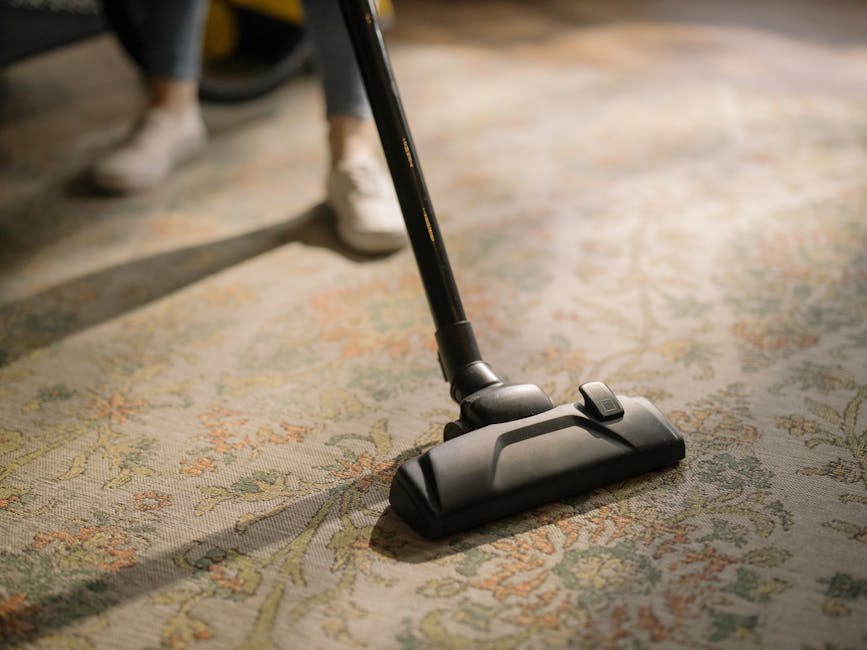
- Vacuum gently. Use suction only if the rug is delicate. If the pile is loose, avoid a rotating brush. Go slow, especially at edges and fringes.
- Test in a hidden spot. Apply a small amount of the chosen cleaner and wait for colour transfer, browning, or fibre change.
- Lift dry soil before wet cleaning. Dry dirt is easier to remove than embedded mud. It also reduces the chance of creating a muddy paste.
- Treat spots, not the whole rug, at first. Blot spills with white cloths. Do not rub. Rubbing drives the stain deeper and distorts the pile.
- Use the mildest effective method. For many rugs, a small amount of pH-neutral solution and careful blotting is safer than soaking.
- Control the moisture. The rug should be damp, not wet. If you are unsure, you are probably using too much liquid.
- Dry flat and evenly. Air circulation matters. Rotate the rug if needed so one side does not dry faster than the other.
- Finish by grooming the pile. A soft brush or your hand can help reset the fibres once the rug is fully dry.
- Check the floor beneath. Make sure there is no lingering moisture trapped under the rug before putting furniture back.
A small but useful note: if a stain is fresh, time matters more than technique at first. Blot immediately, keep it simple, and resist the temptation to pile on cleaners. That impulse is very human. Usually not helpful, though.
Expert Tips for Better Results
There are a few habits that make a real difference, especially in older homes where surfaces and materials can be less forgiving than they look.
1. Work with the rug's direction. Some rugs have a visible nap. If you brush against it the wrong way, the pile can look patchy even when it is clean. Follow the grain, so to speak.
2. Keep an eye on fringes. Fringes trap dirt but are easy to damage. Clean them lightly and separately. Never attack them with the same pressure you use on the body of the rug.
3. Use towels strategically. When spot cleaning, place absorbent cloths under the rug edge if there is any chance moisture will pass through. Older floorboards will thank you.
4. Don't clean in a sealed, stuffy room. Even a slightly open window helps. Damp air slows drying and makes odours linger. Nobody wants that faint wet-wool smell hanging around until Monday.
5. Think seasonally. In winter, rugs may stay damp longer because the heating is on but ventilation is limited. In summer, dry time improves, but dust can move around more quickly. Adjust your method accordingly.
6. Match the care level to the rug value. A washable hallway rug is one thing. A handwoven or antique piece is another. If a rug has any sentimental or financial value, less experimentation is better.
For homes with textiles throughout, you may also appreciate guidance on caring for other delicate furnishings, such as our article on washing velvet curtains without losing their luxe feel. The same general rule applies: treat fine materials gently and let structure, not force, do the work.
Common Mistakes to Avoid
Most rug damage is not dramatic. It is the result of small errors repeated with confidence. Annoying, really.
- Using too much water: Over-wetting can lead to backing failure, brown marks, or a damp floor underneath.
- Scrubbing a stain: This can spread the mark and distort the fibres.
- Skipping colour tests: Some dyes run more than you would expect, especially on older or handmade rugs.
- Using harsh chemicals: Strong cleaners can strip finish, fade colour, or leave sticky residue.
- Drying too slowly: Slow drying increases the risk of odour and mould growth, especially in closed rooms.
- Ignoring the underlay or floor: The rug may look fine while the surface beneath is quietly taking damage.
- Forgetting to vacuum first: Wet-cleaning grit turns dirt into abrasion. That is how fibres wear out faster.
One more subtle mistake: treating every rug like wall-to-wall carpet. They are not the same. A rug is movable, often more delicate, and far more likely to have mixed materials or decorative finishing. If you are unsure, pause before you proceed. That pause can save the rug.
Tools, Resources and Recommendations
You do not need a huge toolkit, but you do need the right basics. In a period home, simplicity is usually safer than a cupboard full of aggressive products.
| Tool or item | Why it helps | Best for |
|---|---|---|
| Vacuum with adjustable suction | Removes grit without pulling delicate fibres | Most rugs, especially wool and flatweaves |
| White cotton cloths | Blotting without dye transfer | Spills, stain treatment, moisture control |
| Soft brush | Helps lift pile and release loose dirt | Textured or medium-pile rugs |
| pH-neutral cleaner | Safer for many fibres than harsh detergents | Spot cleaning and light maintenance |
| Fans or open windows | Speeds drying and reduces stale odour | Any damp-cleaned rug |
| Protective towels or sheets | Helps shield older floors during cleaning | Period homes with timber or sensitive flooring |
If you are planning a bigger refresh, services such as our services overview and pricing and quotes information can help you decide whether to tackle a task yourself or bring in support. For one-off situations, one-off cleaning in Docklands can also make sense when life is just busy, as it tends to be.
Law, Compliance, Standards, or Best Practice
Rug cleaning in a private home is not usually a heavily regulated activity in itself, but there are still sensible UK best-practice considerations. First, if you are using any cleaning products, follow the manufacturer's instructions carefully and keep them stored safely away from children and pets. Second, if a rug is particularly valuable, antique, or structurally fragile, it is sensible to choose conservative methods rather than aggressive cleaning.
In rented homes, it is also worth remembering that tenancy agreements may expect reasonable care of floors and furnishings. That does not mean you must achieve museum-level perfection. It does mean you should avoid avoidable damage. Simple enough, but easily overlooked when people are rushing to tidy before a move-out inspection. If you are dealing with a full property handover, end of tenancy cleaning support may help to keep everything aligned.
For trades and service providers, safety and insurance practices matter too. If you are choosing professional help, it is reasonable to ask how they handle fragile textiles, floor protection, drying, and accidental damage. Clear communication before the job is a good sign, not a fussy one. If you want to understand broader company standards, pages like insurance and safety and health and safety policy are worth reviewing.
Options, Methods, or Comparison Table
Choosing how to clean a rug depends on fibre type, soil level, and the value of the piece. Here is a straightforward comparison.
| Method | Best for | Pros | Watch-outs |
|---|---|---|---|
| Vacuuming only | Routine care and low soil | Safe, quick, low risk | Won't remove stains or deep odour |
| Spot cleaning | Fresh spills and local marks | Targets problems without over-wetting | Needs testing and patience |
| Light hand cleaning | Many wool and synthetic rugs | Good balance of control and freshness | Can still cause issues if too wet |
| Professional cleaning | Delicate, valuable, large, or badly soiled rugs | More consistent results, less risk | Cost and scheduling |
For period homes, the practical answer is often a mix: routine vacuuming, careful spot care, and professional help when the rug is expensive or awkward. That is not over-cautious. It is just sensible.
Case Study or Real-World Example
Imagine a modest period terrace on the Isle of Dogs with a wool rug in the front room. The rug sits over original timber boards and has seen everything from tea spills to winter mud. The owner notices a dull patch near the doorway and a faint smell after a rainy week.
A good response would not be to soak the rug and hope for the best. Instead, they would vacuum thoroughly, lift dry grit first, test a tiny hidden corner, and use a small amount of neutral cleaner on the marked area. The spill spot would be blotted, not rubbed. After that, the rug would be dried flat with airflow, away from trapped moisture and away from direct heat blasting from a radiator.
What usually happens next? The rug looks better, the smell lifts, and the room feels more settled. Not dramatic. Just better. And in a period home, that quiet improvement matters. The house keeps its character, and the rug keeps its dignity, which sounds a bit sentimental but is honestly true.
Practical Checklist
Use this before, during, or after cleaning.
- Check the fibre type and backing material
- Vacuum slowly with suitable suction
- Test any cleaner on a hidden area
- Blot stains with a white cloth, do not rub
- Use the least amount of moisture possible
- Protect the floor underneath the rug
- Allow full, even drying with ventilation
- Groom the pile gently once dry
- Inspect for colour changes, odour, or rippling
- Call in help if the rug is valuable or the stain is stubborn
Expert summary: In period homes, the safest rug cleaning approach is usually the least aggressive one that still solves the problem. Keep moisture low, drying fast, and expectations realistic. That combination does most of the heavy lifting.
Conclusion
Cleaning rugs in a period home on the Isle of Dogs is really about balance. You want freshness without over-treatment, cleanliness without colour loss, and care without turning the job into a science experiment. Start with the material, respect the floor beneath, and keep your method gentle but deliberate. If a rug is cherished, expensive, or structurally fragile, it is perfectly sensible to step back and choose a safer route.
Done well, rug care becomes one of those quiet home habits that makes everything else feel better. The room looks sharper, the air feels lighter, and the space keeps its old-house charm without drifting into tired or neglected. And that, after all, is the point.
Get a free quote today and see how much you can save.
For more local home-care ideas and practical cleaning guidance, you can also browse the latest posts on our blog or learn more about the team on our about us page.