E14 upholstery cleaning real cost breakdown
Posted on 14/07/2026
If you have ever looked at a sofa arm or dining chair in E14 and thought, "Right, what is this actually going to cost me?", you are not alone. Upholstery cleaning sounds straightforward until you start comparing quotes, fabric types, stain treatments, and add-ons. The truth is that the E14 upholstery cleaning real cost breakdown depends on more than just the number of seats. It is shaped by fabric condition, access, drying time, and whether you need a quick refresh or a deeper restorative clean.
This guide explains the pricing logic in plain English, so you can judge quotes properly, avoid hidden extras, and decide what is genuinely worth paying for. If you are planning a bigger clean across the home, you may also find it useful to browse the services overview or look at pricing and quotes before you book. And if you want tailored advice for your furniture, the upholstery cleaning service page is a sensible place to start.
Why E14 upholstery cleaning real cost breakdown Matters
Upholstery is one of those household jobs that looks inexpensive from a distance and then gets surprisingly complicated up close. A sofa may be "just a sofa", but the cost to clean it can change based on the fabric weave, cushion construction, level of soil, and whether the cleaner needs specialist chemistry for delicate materials. That is why a real cost breakdown matters more than a single headline price.
In E14, where homes range from compact apartments to larger family spaces and modern riverside flats, you will often see a mix of furniture types in one booking. A velvet chair in the bedroom, a two-seater in the lounge, maybe a dining bench that has seen one too many late-night takeaway spills. Each item may need a slightly different approach. So if a quote feels very broad, it may not be giving you enough detail to make a fair comparison.
Here is the practical reason this matters: the cheapest quote is not always the best value, and the most expensive quote is not always the most thorough. What you need is clarity. You want to know what is included, what is optional, and what can change the final bill. That is the sort of detail that helps you avoid the classic "oh, that'll be extra" moment. Nobody loves that moment. Not even a little.
Expert summary: A good upholstery cleaning quote should explain the item count, fabric type, cleaning method, stain treatment, drying expectations, and any access or minimum-charge rules before work begins.
If you are comparing services as part of a wider clean, it can also help to understand how upholstery fits into broader home care. For example, a one-off refresh often sits alongside general domestic cleaning or a deeper seasonal tidy. If that sounds like your situation, the pages on one-off cleaning and deep cleaning may be relevant too.
How E14 upholstery cleaning real cost breakdown Works
Most upholstery cleaners price work in one of three ways: by item, by seating size, or by inspection-based quote. Each model has pros and cons, and the real cost usually comes down to how much time, labour, and specialist treatment the job needs.
1. Per item pricing is common for chairs, armchairs, and ottomans. A cleaner may quote a set price for each item, which is easy to understand. The downside is that not every "chair" is equal. A small dining chair and a large fabric recliner do not take the same time or effort, so the quote may still have fine print.
2. Per seating pricing is often used for sofas. A two-seater, three-seater, and corner sofa may each carry a different base rate. This is useful for standard living room furniture, but it can become less exact when cushions are oversized, fixed, or heavily stained.
3. Inspection-based pricing is the most tailored. The cleaner asks questions about fabric type, stain history, pets, smoke, and previous cleaning. In some cases they may ask for photos. This usually produces the fairest estimate, especially for delicate pieces or awkward access.
What drives the cost up?
- Fabric type: velvet, silk blends, wool-rich fabrics, and leather each require a different method.
- Soiling level: general dust and body oils are simpler than ingrained food, drink, or pet contamination.
- Stain treatment: spot removal can take extra time and may require more than one stage.
- Size and shape: corner sofas, chaise sections, and modular pieces are more labour-intensive.
- Access: upper-floor flats, limited parking, or difficult staircases can affect setup time.
- Drying expectations: if a fast turnaround is needed, the method or equipment may need to be adjusted.
One small but important thing: the quote may reflect the minimum charge, not the mathematical sum of each item. That is normal. A compact booking may still have a call-out or minimum spend because the cleaner has to travel, prepare equipment, and cover time on site. If you are curious about how local pricing is built, the pricing and quotes page gives a helpful overview of what to expect in principle.
Key Benefits and Practical Advantages
People usually think of upholstery cleaning as a cosmetic job. Fair enough, because it does make furniture look better. But the practical gains are broader than that, and in real life they often justify the spend.
- Freshens a room quickly: one clean sofa can lift an entire lounge, especially if the fabric has dulled over time.
- Removes everyday buildup: body oils, dust, crumbs, and light grime collect quietly. You do not notice it all at once, which is sneaky in a way.
- Supports fabric longevity: regular cleaning helps prevent soil from grinding into the fibres.
- Improves comfort: furniture feels cleaner to sit on, smell nicer, and often looks more inviting.
- Helps before guests or tenancy changes: a tidy, well-kept sofa makes a room look cared for.
- Can reduce the need for replacement: if cleaning restores appearance, you may be able to keep furniture longer.
There is also a nice psychological benefit. A clean sofa changes how a room feels. It is a little like opening a window on a bright morning in Docklands after a grey spell; the whole place just seems lighter. Small thing, but real.
If you are preparing a property for photos, viewings, or seasonal refreshes, upholstery cleaning can also support a more polished look alongside other services such as spring cleaning or a broader house cleaning visit.
Who This Is For and When It Makes Sense
Not every upholstered item needs professional cleaning every few months. Sometimes a light vacuum and sensible care is enough. But there are clear moments when the cost is likely to be worth it.
This service makes sense if you:
- have visible stains or patches that household products have not shifted
- live with pets and are dealing with odour, hair, or tracked dirt
- want to refresh a sofa before selling or letting a property
- host regularly and notice food or drink marks building up
- have delicate fabrics that should not be scrubbed at home
- are sensitive to dust and want a cleaner seating area
It is also a sensible choice after special events. If a home has just handled a birthday party, a family gathering, or a very enthusiastic game night, upholstered furniture often takes the hit. In those cases, the clean is not just aesthetic. It is damage control.
For landlords, letting agents, and sellers, this can be especially relevant. Clean upholstery helps show a home properly and can reduce the impression of wear. If that is your situation, the articles on selling homes in Docklands and end of tenancy cleaning may be useful context.
Step-by-Step Guidance
A proper upholstery clean follows a simple but careful sequence. It may look easy from the outside, but the order matters a lot. Skip a step and you can spread a stain, over-wet a cushion, or leave a ring that takes longer to dry than it should.
- Identify the fabric. The cleaner checks whether the item is synthetic, natural, blended, or delicate. This determines the safest cleaning method.
- Inspect the condition. Visible stains, wear points, pet areas, and previous damage are noted before anything gets sprayed.
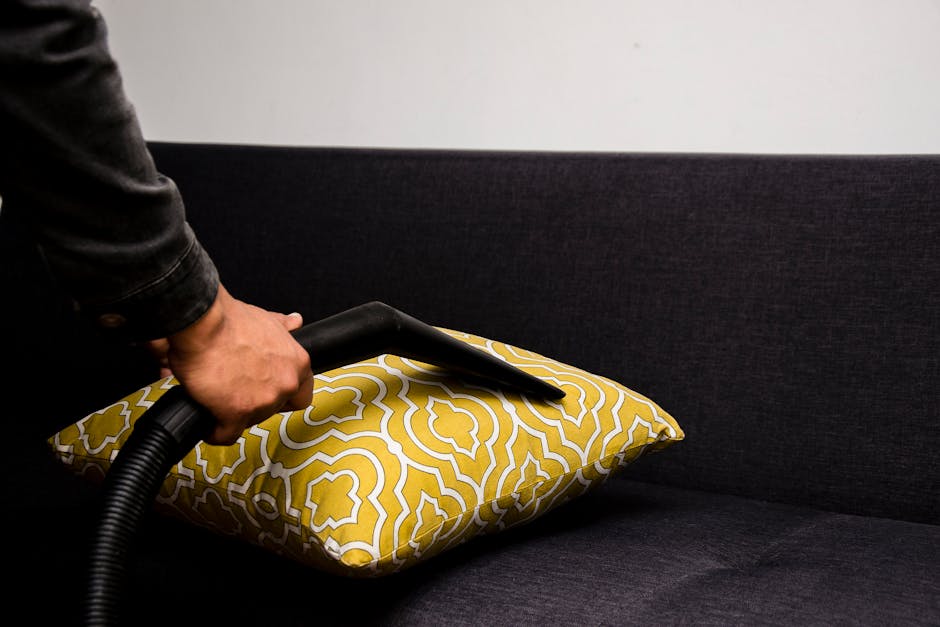
- Vacuum thoroughly. Loose dust and debris are removed first. This stops dirt from becoming mud during cleaning.
- Pre-treat problem areas. Spots, drink marks, and general traffic areas are treated separately where suitable.
- Apply the main cleaning method. Depending on the fabric, this could be low-moisture extraction, dry upholstery cleaning, or controlled wet cleaning.
- Agitate carefully. Gentle brushing or cloth work helps lift embedded dirt without damaging the pile.
- Extract or remove residue. The aim is to leave as little cleaning product behind as possible.
- Speed up drying. Airflow and sensible ventilation matter. Thick cushions need more patience, honestly.
- Final inspection. The cleaner checks for missed marks, shading issues, or spots that need a second pass.
In practice, the best outcome usually comes from honest pre-booking information. If you tell the cleaner about old pet stains, faded dye, or a fabric that has not been cleaned in years, the quote and method are more likely to match the actual job. That saves everyone time.
Expert Tips for Better Results
A few small decisions can make a real difference to both cost and outcome. These are the things experienced cleaners tend to look for straight away.
- Send photos before booking. Clear images of the sofa front, arms, seat cushions, and any damage help avoid surprise pricing.
- Check labels where possible. Manufacturer care labels can give useful clues, though they are not always easy to find. Of course they hide in the one place you never think to look.
- Vacuum before the appointment. A quick pre-vacuum can save time and improve the cleaning result.
- Be realistic about stains. Some marks reduce significantly but do not vanish completely, especially if they have been set for months.
- Ask about drying. If you need the room back quickly, say so early. The best method may change.
- Protect the area around the furniture. A bit of clear space makes the job faster and cleaner.
One more thing: if you have velvet or other delicate furnishings nearby, keep them separate from any rough handling or moisture-heavy jobs. There is a useful guide on washing velvet curtains without losing their luxe feel that reflects the same basic principle: delicate textiles need a gentle hand.
And if you are looking at upholstery as part of a broader clean, it is worth asking whether it should sit inside a one-off visit or a deeper whole-home service. Sometimes bundling jobs is more efficient. Not always, but often enough to ask.
Common Mistakes to Avoid
Most bad upholstery-cleaning experiences come from the same handful of avoidable mistakes. Luckily, they are easy to spot once you know them.
- Choosing only on price. A very low quote can mean limited treatment, rushed work, or extras later.
- Assuming all fabrics can be cleaned the same way. They cannot. A method that works on polyester may be wrong for velvet or wool.
- Using supermarket stain removers first. Some products set stains, bleach colour, or create residue that is harder to remove later.
- Not mentioning pet or smoke issues. These can change the job quite a bit, especially with odour treatment.
- Ignoring drying time. Sitting on cushions too soon can flatten fibres or bring marks back.
- Skipping a test patch. On delicate fabrics, that is just asking for trouble.
A small real-world example: someone books a simple sofa clean and forgets to mention that the room has a low radiator, a narrow entrance, and a modular footstool that does not separate easily. Suddenly the clean takes longer, needs more setup, and the final invoice looks less "basic" than expected. None of that is outrageous, but it can feel like a surprise if it was never discussed.
That is why a detailed pre-clean conversation is so valuable. It is boring in the moment. Very useful later.
Tools, Resources and Recommendations
You do not need a van full of equipment to understand upholstery cleaning value, but a few terms and tools come up again and again.
- Hot water extraction: a deeper cleaning approach that uses water and solution, then extracts the residue. Not suitable for every fabric.
- Low-moisture cleaning: useful where quicker drying or reduced saturation is preferred.
- Dry cleaning methods: sometimes used for delicate items or fabrics sensitive to moisture.
- Spot treatment products: designed for particular stains, not general use on everything.
- Microfibre cloths and soft brushes: useful for careful pre-treatment and finishing.
If you are deciding how to book, it helps to compare your need against the service type. A single armchair with a light mark may be easy to handle inside a broader domestic appointment. A full suite of lived-in family furniture may deserve a dedicated upholstery visit. For some readers, the broader domestic cleaning or deep cleaning pages help frame the decision nicely.
For questions about how quotes are built and what payment looks like, the site's payment and security and terms and conditions pages are worth reviewing too. It is just sensible housekeeping, really.
Law, Compliance, Standards, or Best Practice
Upholstery cleaning is not a heavily regulated service in the way some specialist trades are, but good providers should still follow sensible best practice. In the UK, that usually means clear communication, safe chemical handling, appropriate insurance, and care around customer property.
From a buyer's point of view, there are a few standards worth expecting:
- Clear pricing terms: the cleaner should explain what is included and what could change the price.
- Respect for fabric safety: no aggressive cleaning on delicate materials without testing and caution.
- Safe working practices: equipment should be used responsibly, especially around electrics, water, and confined spaces.
- Insurance awareness: you should be able to ask how damage or accidental issues are handled.
- Complaint handling: if something goes wrong, there should be a route to raise it properly.
If you want a sense of how a company frames these responsibilities, pages like insurance and safety, health and safety policy, and complaints procedure are useful reading. They do not tell you the cleaning price directly, but they do tell you a lot about professionalism.
Best practice also means not overselling stain removal. A trustworthy cleaner will explain that some marks may lighten rather than disappear, depending on fabric age and what caused the stain. That kind of honest language is a good sign, not a weak one.
Options, Methods, or Comparison Table
Choosing the right method is a cost decision as much as a cleaning decision. Here is a simple comparison to help you think through value, drying time, and suitability.
| Method | Best for | Typical strengths | Things to watch |
|---|---|---|---|
| Hot water extraction | Durable synthetic sofas and chairs with deeper soiling | Thorough soil removal, good for heavy use areas | Longer drying time, not ideal for every fabric |
| Low-moisture cleaning | Everyday furniture where faster turnaround matters | Quicker drying, less saturation | May be less aggressive on stubborn, old staining |
| Dry cleaning | Delicate fabrics and moisture-sensitive items | Gentler approach, reduced risk of water damage | Can cost more, may not suit all contamination types |
| Spot treatment only | Minor issues or maintenance touch-ups | Lower cost, targeted action | Not a full clean, may not refresh the whole item |
In many homes, the right answer is not one method forever. It depends on the piece. A sturdy family sofa and a delicate accent chair should not be treated as if they are cousins of the same fabric. They are not, to be fair.
If you are comparing methods across the home, it can help to think in terms of overall cleaning strategy. Sometimes a sofa clean pairs neatly with carpet work, while in other homes it makes more sense to focus on furniture alone. For readers in taller apartment buildings or compact layouts, the Canary Wharf carpet cleaning guide for flats and towers can offer helpful context about access and building logistics.
Case Study or Real-World Example
Let's say a small E14 flat has a three-seater sofa, one fabric armchair, and two dining chairs that have picked up day-to-day marks. The owner wants the furniture refreshed before friends come round for a weekend dinner. Nothing dramatic. Just a better-looking room, less dulling on the fabric, and no lingering odour.
In a situation like this, the quote usually reflects several layers:
- Base item charge: sofa, chair, and dining chairs each have a starting price.
- Condition uplift: visible staining or heavy wear areas may increase the cost.
- Fabric sensitivity: if the sofa is velvet or another delicate material, the method may need to be adjusted.
- Access and setup: upper-floor access or limited parking can add time, though not every provider charges for this separately.
The owner might expect one number and receive a slightly higher one after sharing photos. That is not always a bad sign. In fact, it can mean the cleaner is taking the job seriously enough to price it properly. What matters is that the reasoning is explained. No mystery surcharge, no shrug, no nonsense.
After the clean, the room looks brighter, the cushions feel less tired, and the owner stops noticing the faint mark that had been irritating them for months. That last part is often the real win. It is not just cleaner furniture. It is less mental clutter in the room.
Practical Checklist
Use this quick checklist before you book upholstery cleaning in E14:
- Identify how many items need cleaning.
- Note the fabric type if you know it.
- Take clear photos of stains, wear, and the full item.
- Check whether the furniture has been cleaned before.
- Explain pets, smoke exposure, spills, or odours.
- Ask what cleaning method is likely to be used.
- Ask whether stain removal is included or priced separately.
- Confirm drying expectations and any aftercare advice.
- Check whether there is a minimum charge or call-out fee.
- Review the provider's service information, terms, and safety approach.
Short takeaway: if you can describe the furniture accurately, you are much more likely to get a realistic price and a better result. Simple, but it works.
If you are ready to move from research to action, you can send the details through the request a quote page or use the contact page for a more specific conversation. That is usually the easiest next step when you want a figure that matches your actual furniture rather than a rough guess.
Conclusion
The real cost of upholstery cleaning in E14 is best understood as a mix of item size, fabric type, stain level, access, and method. Once you know that, pricing becomes much less mysterious. Instead of comparing one number to another, you can compare what is actually being done for that money.
That is the heart of the E14 upholstery cleaning real cost breakdown: not just "how much", but "why this much". And once you start asking the right questions, you will usually spot the better-value quote quite quickly. Clean furniture should feel like a sensible purchase, not a gamble.
For many homes, one thoughtful clean is enough to lift the whole room. Small refreshes matter. Sometimes more than we admit.
Get a free quote today and see how much you can save.